Home › Tuck Boxes

Tuck Boxes: Compare Styles and Choose the Right Fit

Tuck boxes are folding cartons with tuck-in closures, made to order for the product they hold. Compare straight tuck end, reverse tuck end, auto lock bottom, tuck top mailer and window tuck box styles, then explore materials, print options and practical buying advice for your packaging brief.

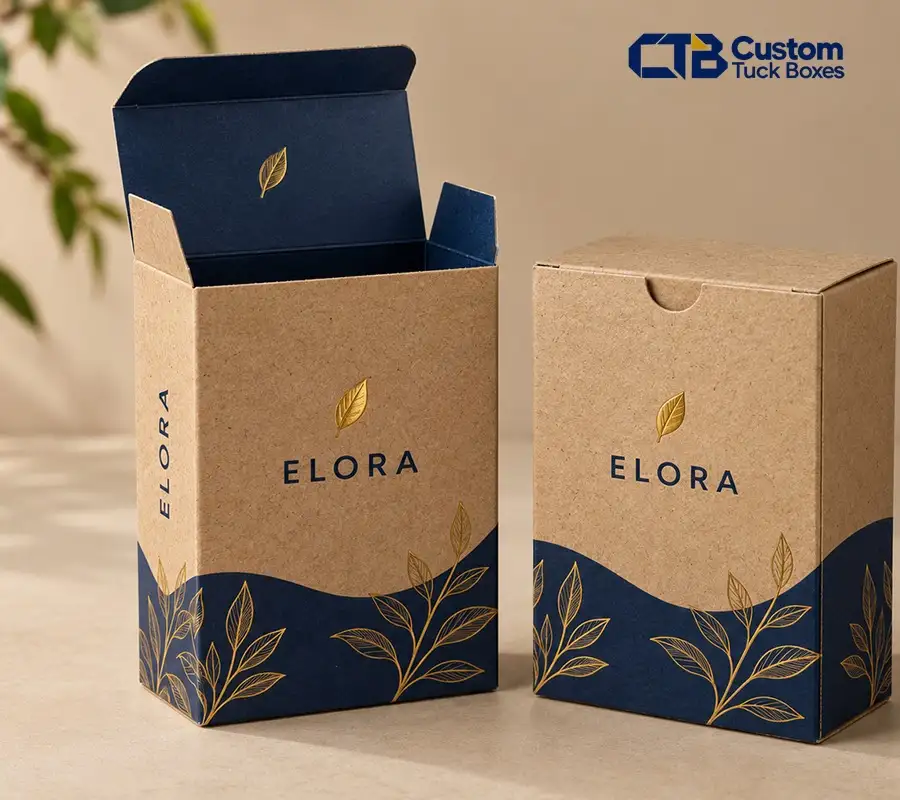
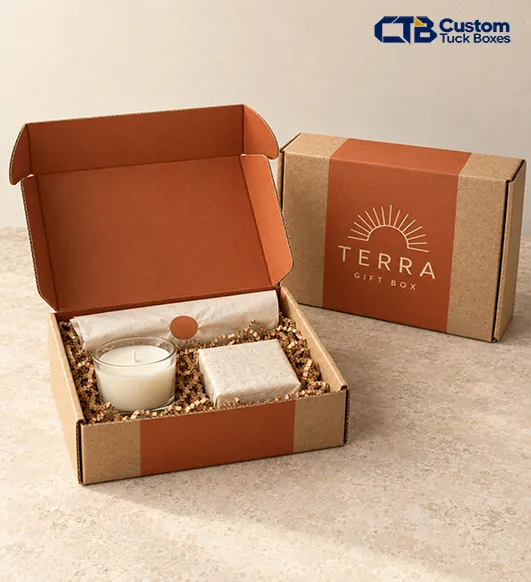
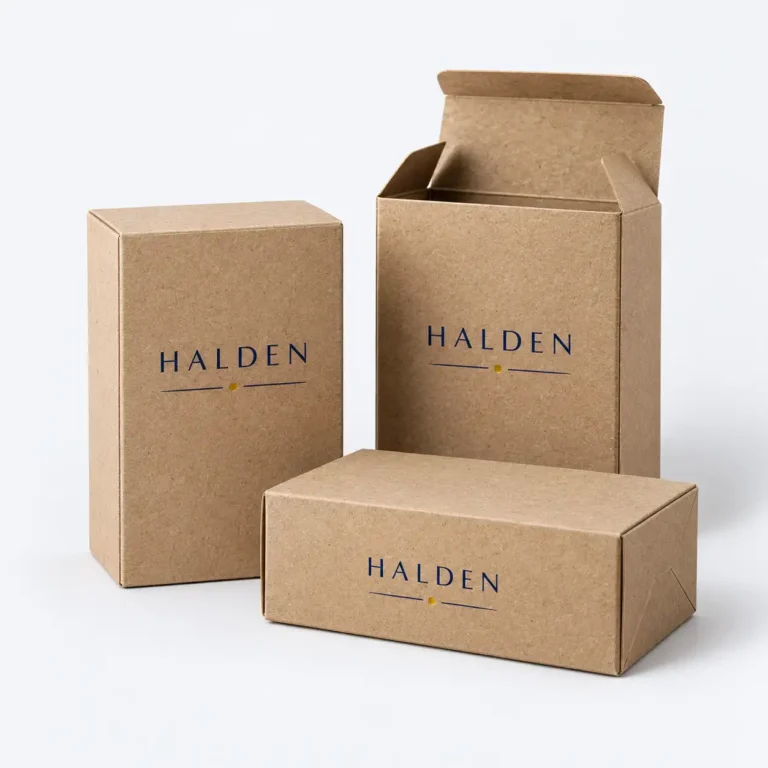
Custom printed kraft tuck boxes with open tuck flap and printed inside lid

Start with the Box Style

Same-direction tuck flaps.

Opposing tuck flaps.

Pre-glued base opens into place.

Integrated tuck-in lid.

A window shows part of the product.

How Tuck Boxes Work

A tuck box is a folding carton assembled from a cut and creased sheet of board. Its closure uses one or more flaps that fold into the carton body. The exact flap arrangement changes how the box is closed, how quickly it can be packed and how its base supports the contents. This makes tuck boxes a flexible form of printed packaging for many retail and product applications.

Unlike a rigid box, a folding carton is supplied flat or folded for assembly. The finished box can be printed with brand artwork and specified around the product. It is still important to match the board, dimensions and closure to the product’s weight, handling and route to market. A carton intended for a shop display may need different features from packaging that will travel through a postal network.

Use the comparison below as a starting point. A quote can confirm the construction and specification available for your product.

For a closer look at the two common tuck-end closures, read Straight Tuck End vs Reverse Tuck End Boxes: What’s the Difference?.

Compare Tuck Box Styles

Use these general differences to guide your shortlist. Base performance and packing speed depend on the final dimensions, board and production specification.

Style

Closure type

Base support

Packing consideration

Often considered for

Explore

Straight tuck end

Closure type

Top and bottom flaps tuck in the same direction

Base support

Base depends on carton design and board

Packing consideration

Familiar tuck-end assembly

Often considered for

Lightweight retail goods and cartons where a consistent closure suits the pack

Reverse tuck end

Closure type

Top and bottom flaps tuck in opposite directions

Base support

Base depends on carton design and board

Packing consideration

Opposing flap directions may suit the packing sequence

Often considered for

Many small and lightweight packaged goods

Auto lock bottom

Closure type

Tuck top with a pre-glued base that opens into shape

Base support

Often considered when a formed base is useful; confirm for the product

Packing consideration

Pre-glued base can reduce one assembly step

Often considered for

Products where the base construction and packing workflow suit

Tuck top mailer

Closure type

Integrated tuck-in lid; base construction varies

Base support

Confirm base and protection needs for the delivery route

Packing consideration

Mailer format is designed around a closing lid

Often considered for

Subscription, gifting and selected postal presentations

Window tuck

Closure type

Tuck closure with a display window

Base support

Depends on the underlying carton style

Packing consideration

Window placement and material add specification decisions

Often considered for

Products where seeing part of the contents supports display

These are broad construction notes, not a load rating or shipping guarantee. Confirm board, dimensions, window and closure details for your product before ordering.

Straight Tuck End Boxes

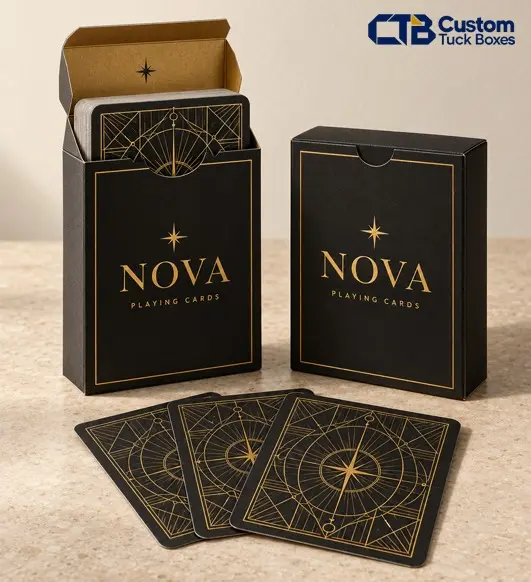
In a straight tuck end carton, the top and bottom closure flaps tuck in the same direction. This familiar arrangement can give the outside panels a consistent appearance and is often considered for lightweight products packed in individual cartons. The right choice still depends on the product’s measurements, board specification and how the box will be filled and handled.

Often considered for

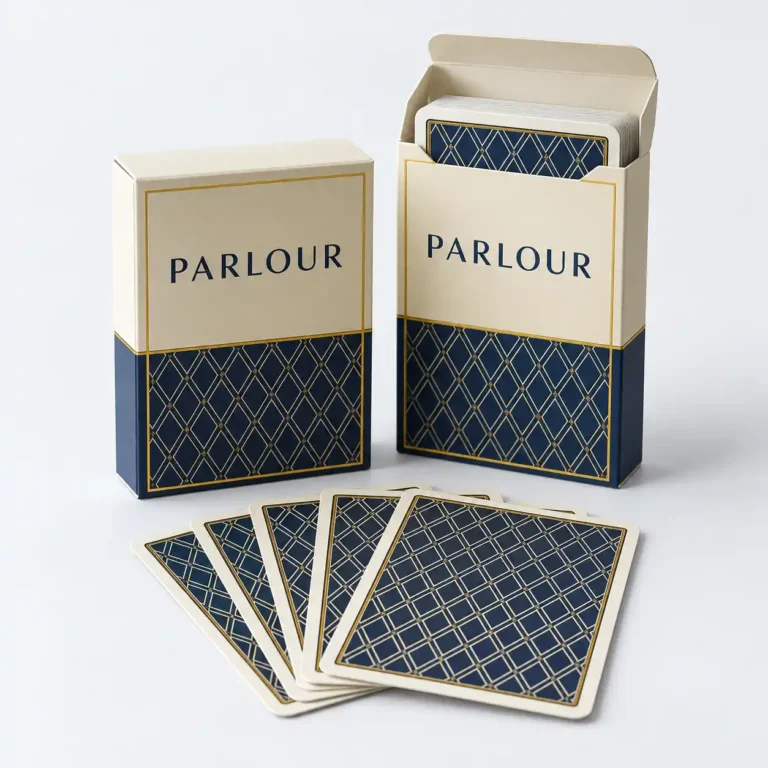
Printed straight tuck end boxes for a playing card brand, with matching cards

Reverse Tuck End Boxes

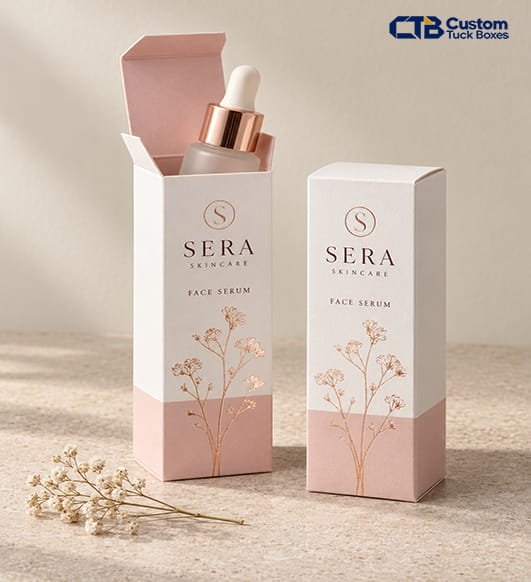
Reverse tuck end cartons have top and bottom flaps that close in opposite directions. That change can affect the carton’s opening sequence and the way it is packed. Buyers often compare reverse and straight tuck styles side by side, then confirm the choice against their product dimensions and packing method.

Check these details

Printed reverse tuck end boxes for a skincare brand, with one carton open

Auto Lock Bottom Boxes

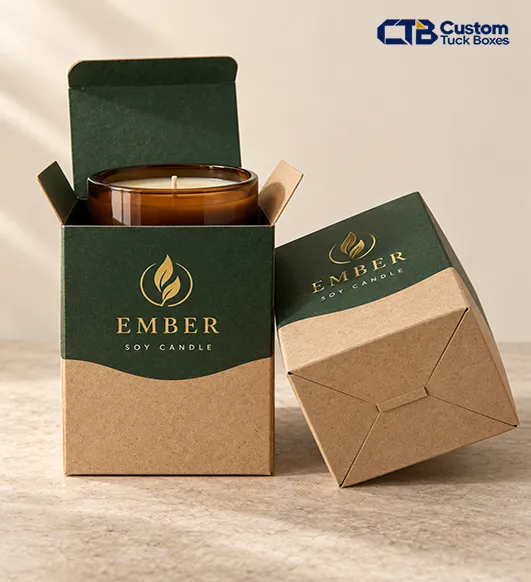
An auto lock bottom carton includes a pre-glued base that opens into position when the box is formed. It may be useful where the packing process benefits from a base that arrives ready to shape, but suitability depends on the product’s weight, dimensions and handling. Confirm the construction and board specification with your packaging supplier.

Consider this style when

Printed auto lock bottom boxes for a candle brand, with one box open

Tuck Top Mailer Boxes

A tuck top mailer uses an integrated lid that folds over and tucks into the box. The format can create a neat presentation for subscription, gifting or selected postal orders. Before choosing it for delivery, consider the packed product, protective packaging, dimensions and the way parcels will be handled. A printed mailer’s appearance alone does not establish its suitability for a particular shipping route.

Plan for presentation and transit

Printed tuck top mailer box shown open with its integrated tuck-in lid

Window Tuck Boxes

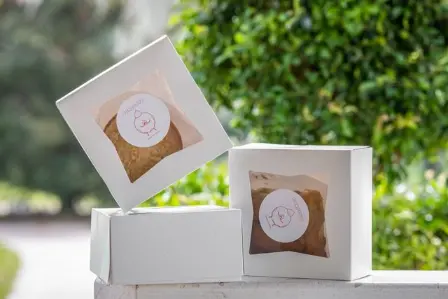
A window tuck box combines a tuck closure with a cut-out area that reveals part of the contents. The opening can make product visibility part of the display, but it also changes the carton’s layout. Discuss its size and position, the material used to cover it if applicable, and how the product will be held in place.

Before specifying a window

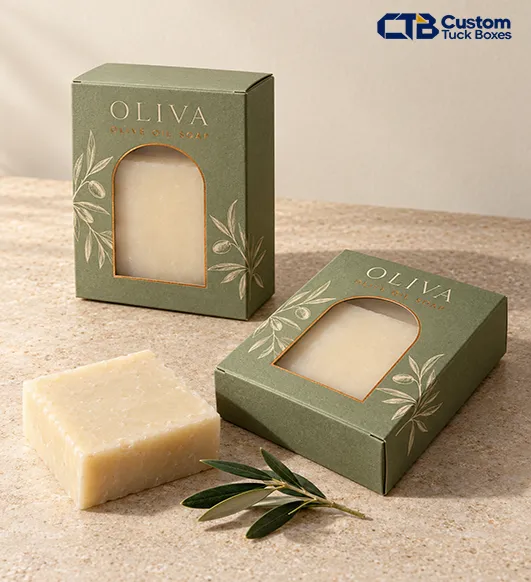
Printed window tuck boxes for a soap brand, showing the bar through a die-cut window

Materials and Features That Shape the Box

The finished carton is a combination of construction, board, print and any added features. Ask for options that match your product and intended use; availability can vary by style, dimensions and order specification.

Kraft board

A natural brown appearance often selected for a pared-back or material-led presentation. Confirm the board grade, print coverage and suitability for the product.

White board

A light-coloured surface can provide a clean base for brand colours and detailed artwork. Ask how the proposed stock reproduces your design.

Black board

A dark surface creates a distinct visual effect. Confirm print approach and which artwork details will remain legible.

Foil finish

Foil can add a reflective accent to selected design areas. Confirm available colours, placement, compatibility and any artwork setup requirements.

Eco-conscious material options

Ask about specific recyclable or responsibly sourced materials for the proposed carton. Verify the material and any environmental claim before using it in marketing.

Inserts

An insert can help position or separate items inside a carton. Its layout should be planned around the products, their arrangement and the box dimensions.

Windows

A window changes the carton’s appearance and structure. Discuss size, placement and covering material, if used, with the proposed style.

For dimensions and internal clearance, see How to Measure Your Product for Custom Tuck Boxes. For material considerations, read Choosing the Right Material for Your Tuck Boxes.

A Practical Checklist for Choosing Your Box

Work through these questions in order. They help narrow the options; the final construction and specification should be confirmed for the product.

1. Start with the product

Measure its length, width and depth, then consider any protruding parts or fragile areas. Leave suitable clearance for packing and any insert.

2. Consider weight and support

Think about how the product sits in the carton and whether its base or an insert needs particular support. Do not assume a style is suitable for a heavy item without checking the board and construction.

3. Decide where it will be used

A carton intended for a shelf, gift presentation or postal order may have different priorities. For shipping, account for the complete packed parcel and protective materials.

4. Choose the opening experience

Consider which end opens, how the carton is assembled and whether customers need to see the product before opening it.

5. Check the production and packing volume

Share your expected quantity and packing workflow. Ask how the proposed construction will be supplied and assembled.

6. Brief the print and finish

Decide which panels carry essential information, where colour or foil is needed and whether a window or insert belongs in the design.

Use our product measuring guide to prepare dimensions. If you are comparing closures, see the straight tuck end and reverse tuck end guide.

Explore Popular Tuck Box Options

These examples show how style and finish options can be explored within each category. Product availability and specification should be confirmed with your quote.

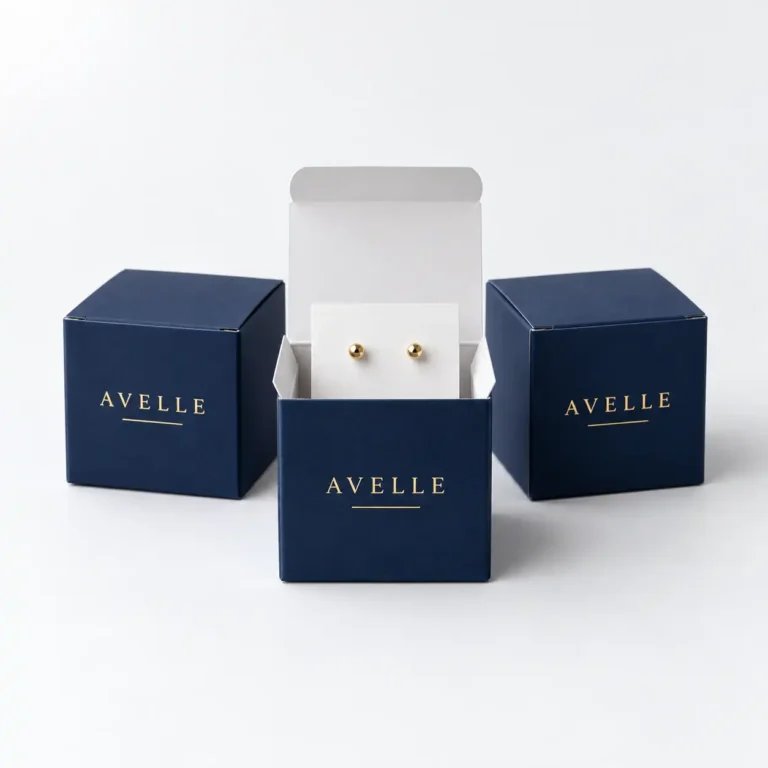
Small navy tuck boxes with gold foil for a jewellery brand, one open with gold stud earrings on a card

Small Tuck Boxes

Compact folding cartons made to order around small products, with the option to discuss a display window.
Cream and navy soap tuck boxes with a die-cut window showing the soap bar inside

Soap Tuck Boxes

Soap boxes with an optional window to show part of the bar, planned around its size, wrap and panel information.
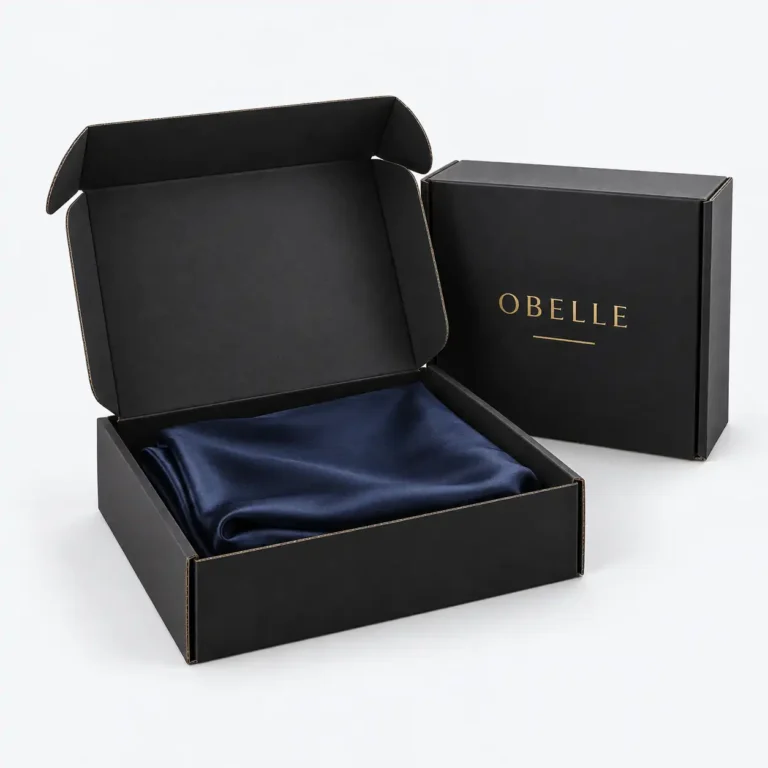
Black tuck top mailer box with gold foil, shown open with a folded navy scarf inside

Black Tuck Top Mailer Boxes

A dark mailer format with an integrated tuck-in lid, for subscription, gifting and postal orders.
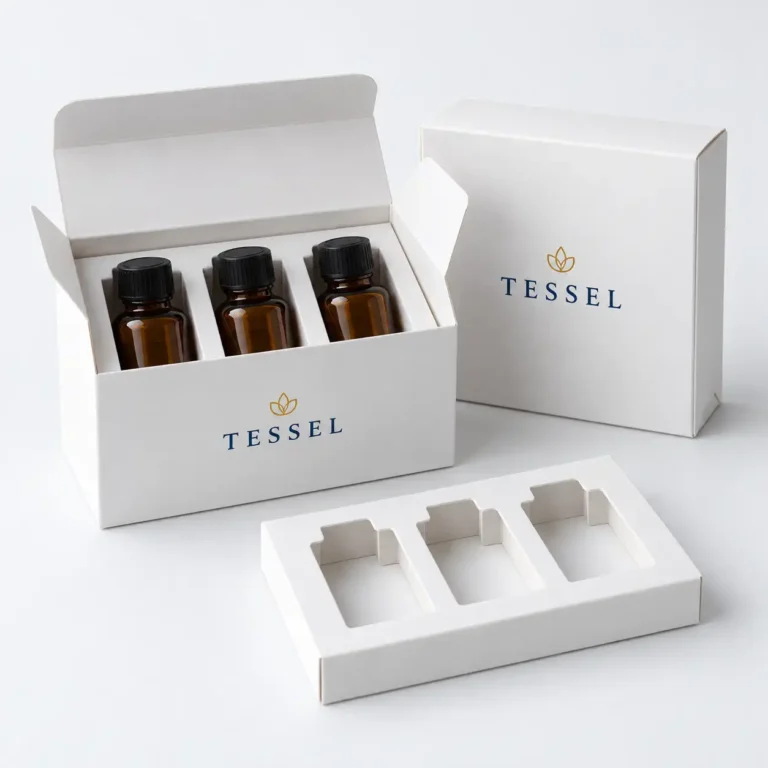
Custom printed white gift tuck box with a die-cut insert holding three amber bottles, beside a closed box and the loose insert

Tuck Boxes with Inserts

Folding cartons with an internal insert designed to position or separate the products inside.
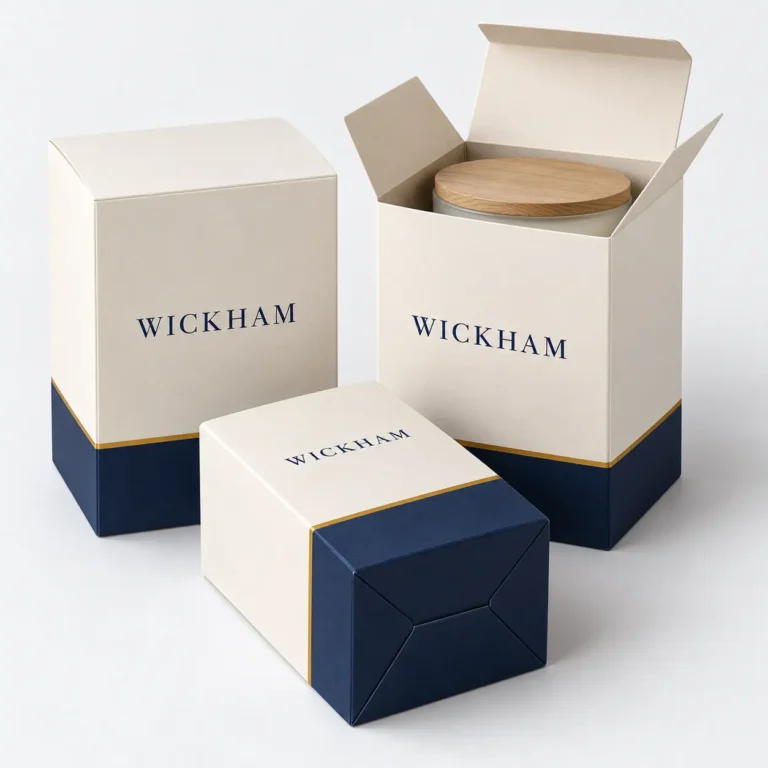
Custom printed ivory and navy candle boxes, one open with a candle jar inside and one lying down to show the auto lock base

Candle Tuck Boxes

Auto lock bottom cartons planned around the candle, its container and the presentation you have in mind.
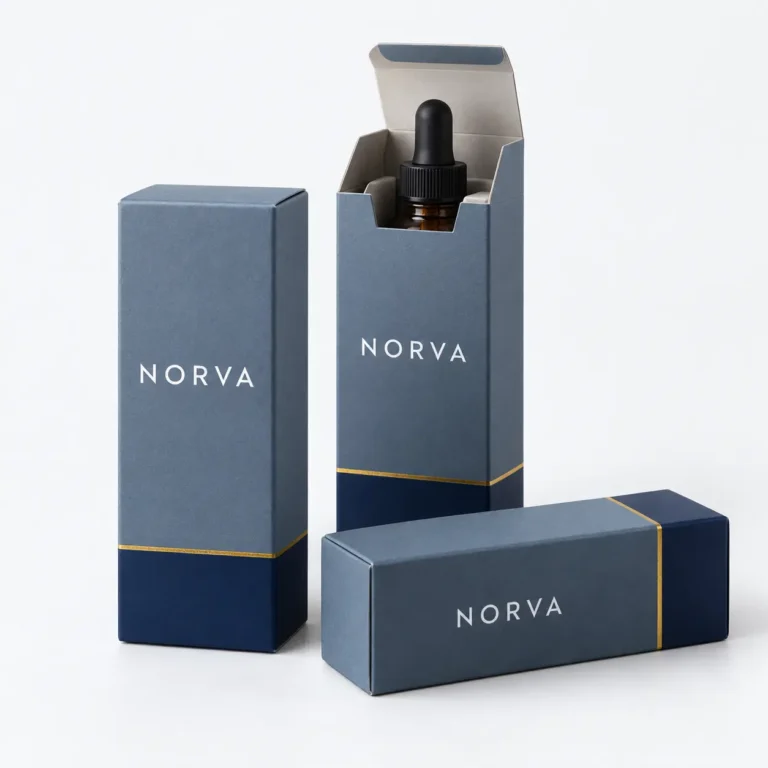
Slate blue printed tuck boxes for a wellness oil brand, one open with an amber dropper bottle inside

CBD Tuck Boxes

Folding cartons for tincture bottles and wellness products, planned around the container and the information you need to include.
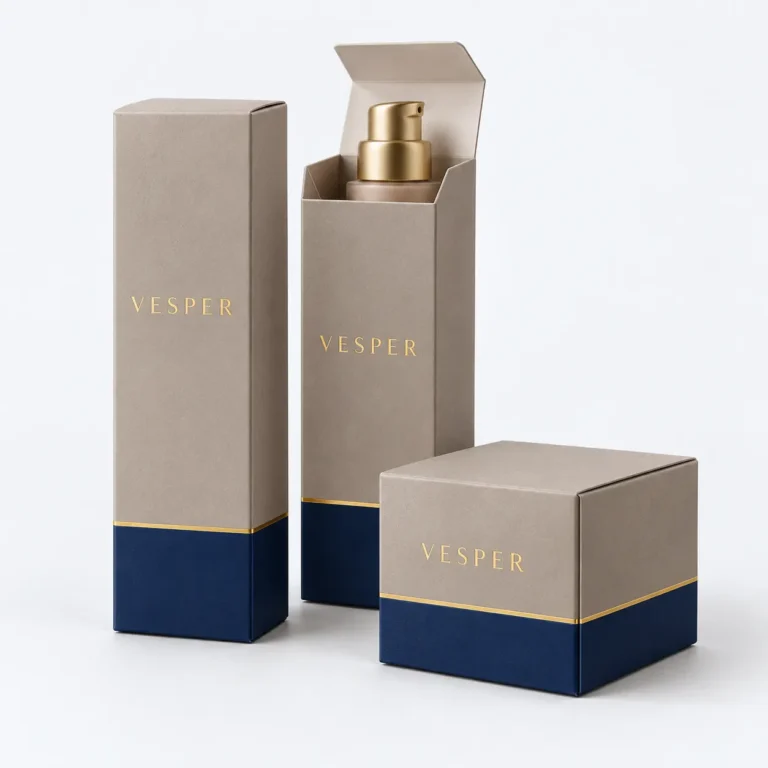
Taupe and navy cosmetic tuck boxes with gold foil, one open with a pump bottle inside

Cosmetic Tuck Boxes

Printed cartons planned around your skincare, make-up or personal care product, its container and your brand artwork.
Cream and navy printed playing card tuck boxes, one open with the deck pulled out, beside fanned cards

Playing Card Tuck Boxes

Tuck boxes planned around your card deck, artwork and use, for games, branded decks and collectable cards.
Custom printed kraft tuck boxes for a tea brand, with one straight tuck end box open

Kraft Tuck Boxes

Natural brown kraft board in a folding-carton format, for a material-led, understated look across retail and gift ranges.

More Tuck Box Guides

Explore these guides for help with construction, dimensions, materials and artwork.

Browse all tuck box guides.

Tell Us About the Box You Need

Share the product, box style you are considering, approximate dimensions and quantity. Include any preferences for board, print, inserts or a window. If you are still comparing options, describe the product and how the packaging will be used; the details can be clarified as your quote takes shape.

Tuck Box Design Questions

Does board thickness affect how a tuck box performs?

Board grade and thickness contribute to the carton’s stiffness and feel, but performance also depends on the construction, dimensions and product. Ask for the proposed board specification and confirm it is suitable for the item and its handling.

Find the Tuck Box Style That Fits Your Brief

Compare the five constructions, explore the product options or send us your packaging requirements for a quote.