Home › Tuck Boxes › Reverse Tuck End Boxes
Reverse tuck end boxes use top and bottom tuck flaps that close in opposite directions. This arrangement changes how the carton opens and is packed, so compare the flap layout with your product and packing sequence before choosing a specification. Explore the products below, then share your dimensions and print requirements for a quote.

Specification confirmed with your quote.
Specification confirmed with your quote.
Specification confirmed with your quote.
Specification confirmed with your quote.
Explore the current reverse tuck end products, each with a distinct product or appearance focus. Open a product page for its details, then request a quote based on your packaging requirements.
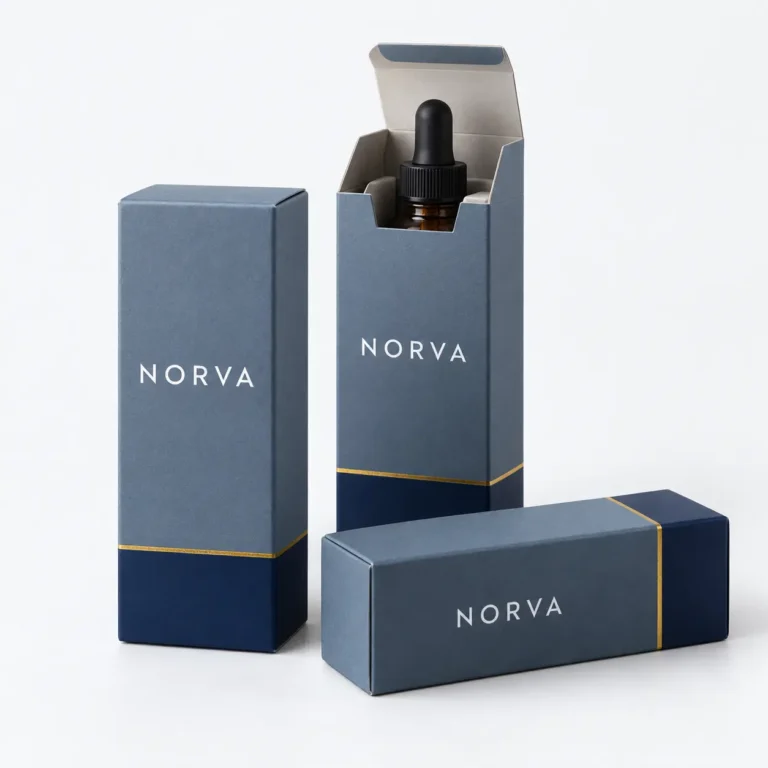
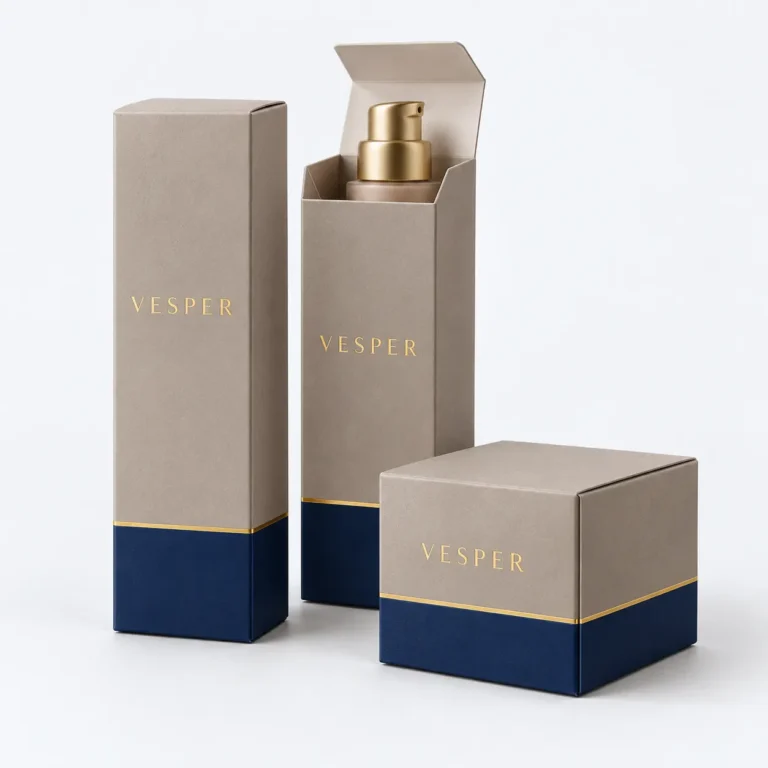
Choose this product if you are packaging a cosmetic container and want the carton dimensions, artwork panels and closure considered together. Provide the full container measurements, including cap or applicator, and verify all product information before approving packaging artwork.
Choose this product if your packaging brief is for a CBD-related product and you need to discuss carton fit, print and product information. The responsible business must independently verify product legality, labelling and claims; the box specification does not establish regulatory compliance.
Choose this product if a dark carton appearance is central to the design. Ask whether the proposed black surface is coloured board or printed, and confirm how your artwork and any foil details will reproduce.
A reverse tuck end carton begins as a cut and creased blank that folds into a four-sided body. The front and back are usually the wider display panels; the two narrower side panels form the depth and connect the main faces. The exact blank layout depends on the box dimensions and construction. Review the dieline to see where each panel falls after folding and where artwork may cross creases or seams.
The defining feature is the direction of the main closures. The top tuck flap folds into the box from one end, while the bottom tuck flap tucks in from the opposite direction. Smaller dust flaps may fold inward at the sides to close gaps, depending on the design. This opposing arrangement affects the assembly sequence and which end is opened during packing or use.
The closed carton’s performance depends on more than the flap arrangement. Board grade, carton dimensions, product weight, closure geometry and handling all contribute. The style name is not a load rating. If a product is heavy, fragile, or has a container that could shift, describe those requirements and request confirmation of the proposed board and construction.
On a shelf, the wide panels can carry primary artwork or product information, while side panels provide additional surfaces. Consider which end faces up in storage and which closure will be visible when the box is displayed. For postal use, consider the complete packed parcel and any outer packaging. A reverse tuck closure alone does not establish shipping suitability.
Construction
Reverse tuck end; top and bottom flaps tuck in opposite directions.
Typical uses
Tell us about your product and how it will be packed and sent, and we will advise whether this style is suitable.
Size range
Boxes are made to your product’s dimensions, so share the length, width and depth with your quote request.
Board / material
Several board options are available, and we will recommend a suitable board and thickness for your product.
Board thickness
Several board options are available, and we will recommend a suitable board and thickness for your product.
Printing
Full-colour (CMYK) printing is available, and we can confirm inside printing and panel coverage for your design.
Finishes
Finishing options include matt finish, foiling, spot UV, embossing and debossing, depending on the board and design.
Add-ons
This can be added on request, depending on your product and box style.
Minimum order
Minimum order quantity is 50 boxes.
Turnaround
Typical turnaround is 12 to 15 working days, with delivery across the UK.
Proof
Send your artwork or a reference with your quote request, and we will confirm the artwork, dieline and approval steps for your order.
Final specifications are confirmed with your quote and artwork proof.
Mark which end opens from each side on the dieline. Check that artwork reads correctly when the carton is assembled and either end is opened.
Keep important copy clear of creases, seams and tuck areas. Review the flat layout and a folded proof so panel order and orientation are clear.
For bottles, jars, tubes or other packaged goods, measure the full item with caps and closures in place. Include any wrap or insert in the dimensions.
Decide which end will be filled first and how the carton will be closed. Share that process when reviewing the proposed construction.
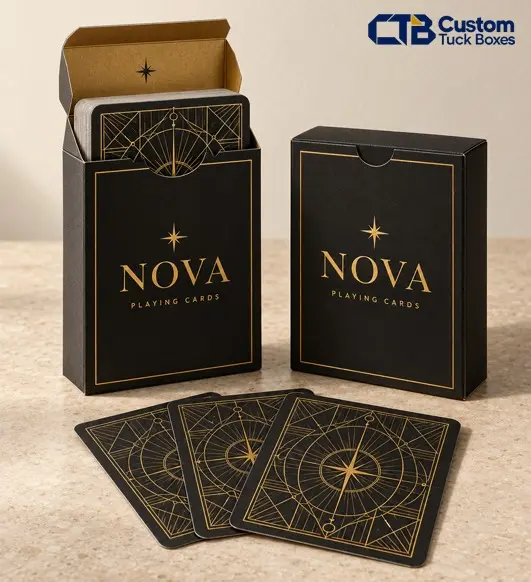
Compare a carton where both main tuck flaps close in the same direction.
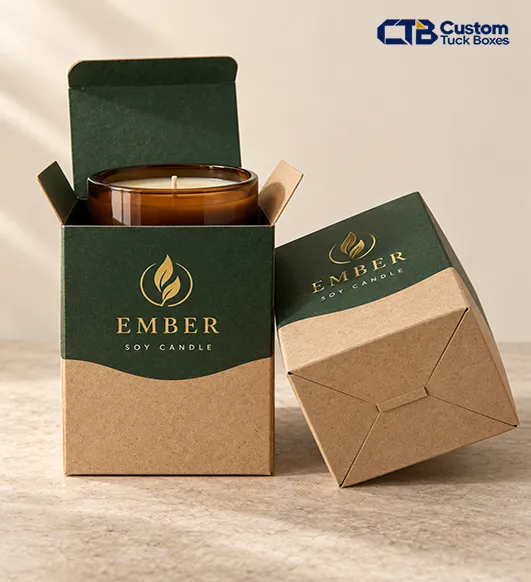
Consider this category if a pre-glued base may suit your packing workflow; confirm construction details.
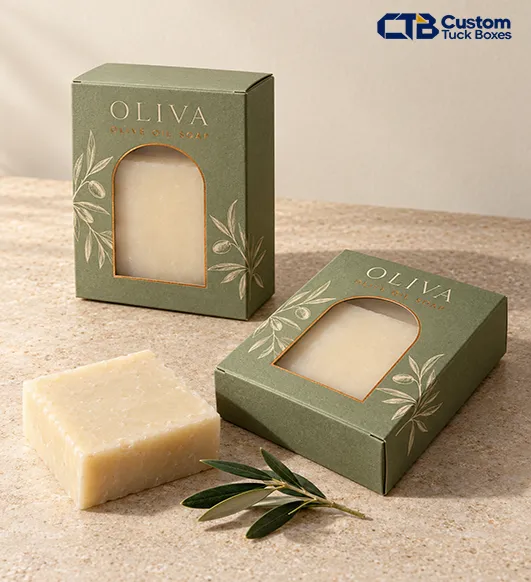
Compare a carton with a cut-out area for displaying part of the contents.
Compare the direction of the closures and the way each format assembles.
Prepare product measurements and clearance details.
Review artwork layout and file considerations.
Tell us what the carton will hold, its dimensions and the quantity you need. Include the way the product is packed and which end you expect to open first. Add your artwork, board or finish preferences if known so we can discuss the proposed specification.
The main flaps tuck in opposite directions, so either end can be opened depending on how the box is assembled and presented. Confirm the intended packing and opening sequence against the carton dieline.
Share your packaging requirements and request a quote for a made-to-order specification.